


A while ago, I listened to an Invisibilia podcast about a remote tribe that experiences an emotion that has no translation. It’s called liget, and it can best be described as a feeling of ‘high voltage’. To this tribe, this emotion was an integral part of the human experience.
As English speakers, we know what it means when someone feels sad. We know we should console them. We know what things cause sadness. Our culture has built a whole system of actions and reactions around this emotion. We have nothing like this for liget. I believe it’s an emotion that everyone feels. We simply lack a word for it and so failed to build a system for it.
If only for myself, I’ll attempt to create an emotional system for dealing with this emotion. I’ll outline my interpretation of liget and how it manifests in situations and emotions familiar to English speakers.
I am no anthropologist or linguist. The understanding of liget I pose is solely my own interpretation based on my limited knowledge for the purposes of self-reflection.
What Is Liget?
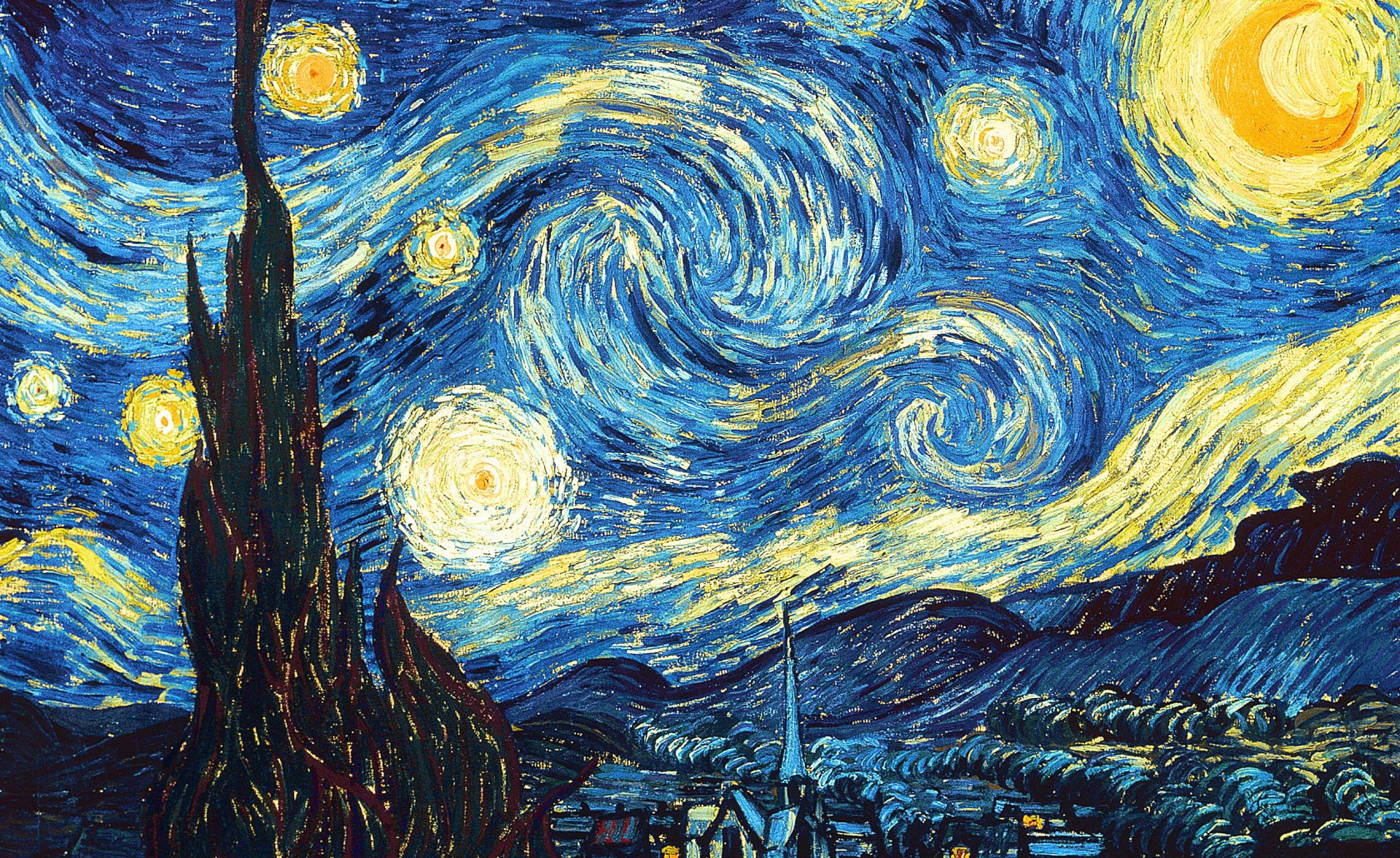
As described by the anthropologist who first brought knowledge of this emotion to the rest of the world, liget is the feeling of ‘high voltage’. I interpret this as the feeling of being unable to contain one’s self. An energy that pushes you to action. Liget is a swelling, an undefinable but undeniable urge. When someone says “get a hold of yourself,” you’re feeling liget.
Liget feels wild. Sometimes liget can be “out of control,” but this isn’t always the case. Liget can be perfectly calculated. It’s a feeling of primalness, the need to express something within oneself that simply wants to be.
To me, liget is the opposite of calm. It can mean excitement, anxiousness, or wildness. Any expression of uncontainable energy is liget. Because we lack a word for this emotion, we ascribe its many expressions to other emotions. Liget is the urge to shout from the rooftops.
Expressions of Liget

Liget in Happiness – “I’m so happy I could cry.” Liget is the uncontainable aspect. It’s the difference between joy and euphoria. Liget makes us run, jump, howl, and dance.
Liget in Productivity – Liget is the urge to create, the drive to invent and birth something new, the fervor, the muse, the wave of inspiration that keeps artists and inventors mired in their projects, disregarding the need for food and sleep.
Liget in Anger – Expressions of liget in conjunction with anger are frightening. Berzerker, blind rage.
Liget in Sadness – Shortly after visiting the tribe, the wife of the anthropologist who ‘discovered’ liget died. The anthropologist said he never quite understood what light meant until one day, he was driving, and the emotion of the loss of his wife overwhelmed him. He let out a guttural moaning howl. He believed that was liget. The overwhelming sadness that can only be expressed by releasing a sound of pain.
Liget in Fear – Manifested as hysteria, the primal brain takes over the rational brain and reacts to a situation.
The descriptions above are very exaggerated expressions of liget, meant to connect one with the meaning of the emotion, but I believe it’s possible for liget to also manifest subtlely.
I have often experienced a feeling of restlessness that I previously attributed to boredom. Even though I had many things I wanted to do, I didn’t want to do them. I felt the need to be in action, but could not define a specific action. It was an energy for which I could find no outlet. I now think that this restlessness is liget.
Healthy Liget

I believe English societies have disconnected from the feeling of liget because we associate it with our primal past. We see ourselves as a civilized species, so we put distance between ourselves and our animal nature. Thus, we found ways of talking around this emotion or ignoring it altogether. However, if we can harness our feelings of liget, it will help us understand ourselves.
Know when to express liget. In a civilized culture, it is not socially acceptable to express liget in most settings. When you feel liget, acknowledge the emotion, don’t allow it to fester. Assess your situation, and if necessary, excuse yourself so you may find an outlet for your liget.
Calm your liget when it is inappropriate. I believe calmness is the opposite of liget. Whatever helps you to achieve calmness and stillness of mind will soothe the emotion.
Don’t suppress your liget. Liget is not a ‘bad’ emotion. Great things can come out of liget. Boundless joy, deep art, incredible productivity. Don’t strive for calmness simply because it feels more ‘civilized’. Let yourself live a little, and let loose once in a while.
Conclusion
Since hearing the podcast, I’ve searched for what liget is in my life and how it manifests in my behavior and those around me. I communicated my interpretation of liget to my closest friends, and now we say things like “I’m feeling so liget right now.” At first, it was a joke said while we were having a kick-ass time or feeling annoyed, but as time passed, it became more nuanced. This new tool for communicating our emotions has allowed us to understand each other better. I hope it can help other people as well.

 Pirate Ferret.com
I agree with how you interpreted it, I’ve dealt a lot with the feeling of sad liget
LikeLike
name of the tribe?
LikeLike
This Invisibilia episode covers it. The tribe is llongot.
https://www.npr.org/sections/health-shots/2017/06/01/529876861/an-anthropologist-discovers-the-terrible-emotion-locked-in-a-word
LikeLike